Serbia
Explore the endless opportunities in top study-abroad destinations
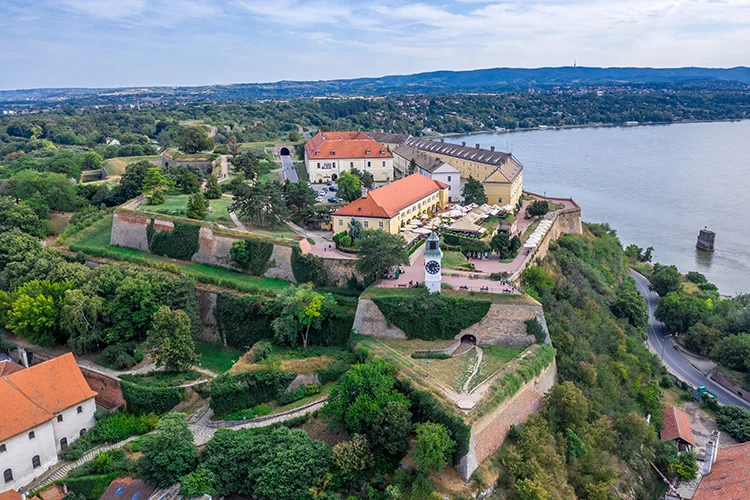
Studying in Serbia offers a unique blend of academic excellence, cultural richness, and affordability. The country is home to several reputable universities, such as the University of Belgrade and the University of Novi Sad, which offer a wide range of programs in English across disciplines like engineering, medicine, social sciences, and humanities. Serbia’s education system is aligned with the Bologna Process, ensuring compatibility with European standards and facilitating student mobility. International students benefit from low tuition fees and living costs, making Serbia an attractive destination for quality education without financial strain.
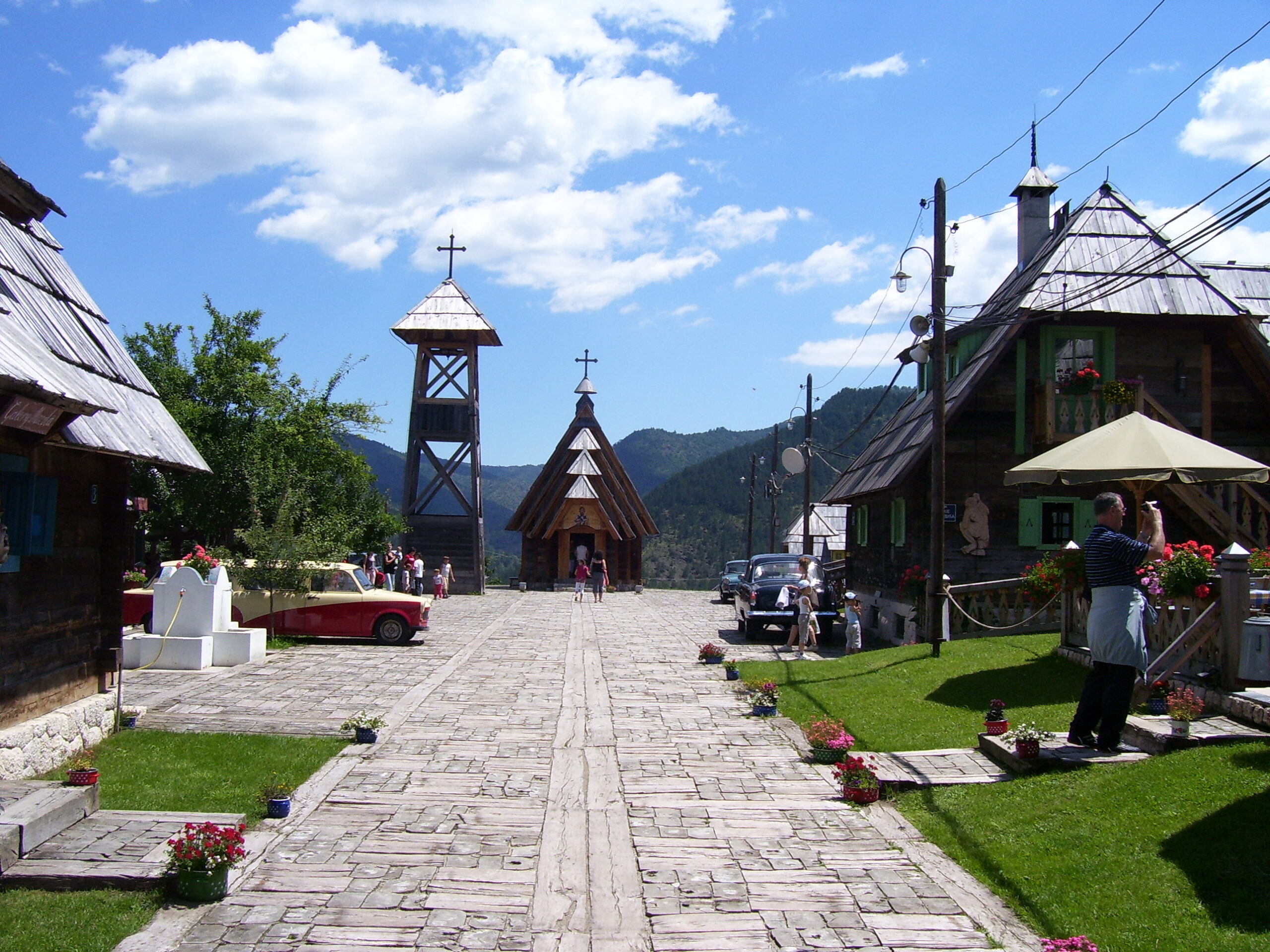
Beyond academics, Serbia provides a vibrant and welcoming environment for international students. The country boasts a rich cultural heritage, dynamic student life, and stunning natural landscapes from the Danube River to the mountains of Tara National Park. Students can immerse themselves in traditional Serbian cuisine, music, and festivals while enjoying modern amenities and a safe atmosphere. With its strategic location in Southeast Europe, Serbia also offers easy access to neighboring countries, making it ideal for students who wish to explore the region during their studies.
Highlights of studying in Serbia
Factors
UK
Average tuition fees (per year)
Bachelor's and Master's Degrees – €1,000 – €5,000 Ph.D. – €2,000 – €6,000
Eligibility criteria
Eligibility Criteria Academic Credentials – High school diploma, Bachelor's or Master's degree in relevant fields Documents – Passport, student visa, proof of financial means, health insurance, admission letter Test Scores – Some programs may require IELTS/TOEFL; others may not
Test score requirements
IELTS – 6.0–6.5 TOEFL – 80+ Duolingo – 95–105 (if accepted) GRE/GMAT – Rarely required except for specific programs
Popular courses
Medicine Engineering Business Administration Agriculture Information Technology
Student visa fees
Approx. €60–€100 depending on embassy and processing time Note: Fees may vary; always check with the Serbian embassy or consulate.
Why study in Serbia
Serbia is emerging as a promising destination for international students, offering affordable education, recognized degrees, and a rich cultural experience. With universities like the University of Belgrade and University of Novi Sad, Serbia provides quality academic programs aligned with European standards through the Bologna Process. Students benefit from low tuition fees, diverse course offerings in English, and a welcoming environment that supports academic and personal growth.
Globally recognized education
Serbia is home to over 20 public and private universities, including the University of Belgrade, University of Novi Sad, and University of Niš, which are recognized across Europe for their academic quality and research contributions. Serbian degrees follow the Bologna Process, ensuring compatibility with European higher education standards and enhancing international employability.
With a growing number of programs offered in English, Serbia attracts students from around the world seeking affordable, high-quality education. Its institutions emphasize practical learning, innovation, and cross-cultural exchange, making Serbia a rising hub for globally-minded scholars.
Diverse course options
From engineering, medicine, and agriculture to business, IT, and environmental sciences, Serbia offers a wide range of academic programs aligned with global and regional job market demands. Many universities provide courses in English, especially at the graduate level, making them accessible to international students.
Recent surveys show growing satisfaction among international students in Serbia, particularly due to the practical curriculum, supportive faculty, and opportunities for research and internships. Whether you’re aiming for a career in healthcare, technology, or sustainability, Serbia’s academic landscape is designed to prepare students for the future.
Shorter, cost-effective degrees
In Serbia, most bachelor’s degrees are completed in 3 to 4 years, while master’s programs typically take 1 to 2 years. The country also offers short-term and specialized diploma programs that can be completed within 6–12 months, depending on the field and institution.
With tuition fees significantly lower than in Western Europe—often ranging from €1,000 to €5,000 per year—Serbia provides an affordable pathway to recognized European qualifications. Combined with low living costs, studying in Serbia is a financially smart choice for international students seeking quality education.
Strong post-study work options
Serbia offers growing opportunities for international graduates, especially in sectors like IT, engineering, agriculture, and healthcare. While Serbia does not yet have a formal post-study work visa like some Western countries, graduates can apply for temporary residence extensions to seek employment or internships after completing their studies.
Foreign students who secure a job offer from a Serbian company may transition to a work permit, with salaries varying by industry and experience. Serbia’s strategic location and integration with European markets also allow graduates to explore career paths across the region, making it a valuable stepping stone for international careers.
Student visa requirements for Serbia
International students planning to study in Serbia must apply for a Temporary Residence Permit for Study Purposes after receiving an official admission letter from a Serbian university. This permit allows students to stay in Serbia for the duration of their academic program.
The application process typically involves submitting documents such as a valid passport, proof of enrollment, accommodation details, financial means, health insurance, and a visa application form. Students should apply for a Type D visa (long-stay visa) before entering Serbia, which is then converted into a residence permit upon arrival. Processing times may vary, but it’s recommended to begin the application at least one month before travel.
Documents required for a UK student visa (Updated for 2025)
- Valid Passport – Must be current and valid for the duration of your stay.
- Letter of Admission – Official confirmation from a Serbian university or educational institution.
- Proof of Financial Means – Evidence that you can cover tuition and living expenses (minimum €1,000 per month for at least 9 months).
- Health Insurance – Valid for the entire duration of your stay in Serbia.
- Accommodation Proof – Details of where you will be staying during your studies.
- Proof of Relationship – If under 18, documents showing relationship to parents or legal guardian.
- Parental Consent – Required if the applicant is under 18 years of age.
- Medical Certificate – Including TB test results if applicable.
Top courses to study in Serbia
Below are some of the most popular academic programs pursued by international students in Serbia, along with leading universities and estimated tuition fees:
Course name
Top universities
Average tuition fees (per year)
Medicine
University of Belgrade – Faculty of Medicine University of Novi Sad – Faculty of Medicine University of Niš – Faculty of Medicine
€3,000 – €6,000
Engineering
University of Belgrade – Faculty of Mechanical Engineering University of Novi Sad – Faculty of Technical Sciences University of Niš – Faculty of Electronic Engineering
€2,000 – €4,000
Information Technology and Computer Science
University of Belgrade – School of Electrical Engineering University of Novi Sad – Department of Computing and Control Singidunum University
€2,000 – €4,000
Agriculture
University of Novi Sad – Faculty of Agriculture University of Belgrade – Faculty of Agriculture
€1,500 – €3,500
Nursing
University of Belgrade – Faculty of Medicine University of Niš – Faculty of Medicine
€2,000 – €3,500
Top Universities to Study in Serbia
Although Serbia is not yet featured prominently in global rankings like QS World University Rankings, it offers several reputable institutions recognized across Europe for their academic quality, research, and international collaboration. Here are some of the top universities in Serbia:
University of Belgrade
University of Novi Sad
University of Niš
University of Kragujevac
Singidunum University
Megatrend University
University of Arts in Belgrade
Educons University
Union University
Scholarships to study in Serbia
Serbia offers a variety of scholarships for international students through government programs, bilateral agreements, and university-specific initiatives. These scholarships aim to promote academic exchange and support talented students from around the world.
- Serbian Government Scholarships (World in Serbia Program) – Offered to students from countries with diplomatic relations with Serbia, covering tuition, accommodation, and basic living expenses.
- Erasmus+ Mobility Scholarships – Available for students enrolled in Serbian universities participating in EU-funded exchange programs.
- University of Belgrade Scholarships – Merit-based and need-based scholarships for international students pursuing undergraduate and postgraduate studies.
- University of Novi Sad Scholarships – Includes tuition waivers and financial support for outstanding international students.
- Regional Cooperation Scholarships – Offered through partnerships with Balkan and Eastern European countries to promote regional academic collaboration.